What Does $100 Oil Actually Cost Your Farm?
Last week, an oil contract hit over $100. It’s come down a touch since, but the bigger question is worth

Last week, an oil contract hit over $100. It’s come down a touch since, but the bigger question is worth

A newer, lesser-discussed development is adding another layer of risk to prospective input prices, and may also provide increased revenue opportunities as well.

Energy is needed to produce our food and every other consumer product or service on the market. America is poised to win, and if energy becomes the defining commodity of the 21st century, our geopolitical advantage becomes even more pronounced.

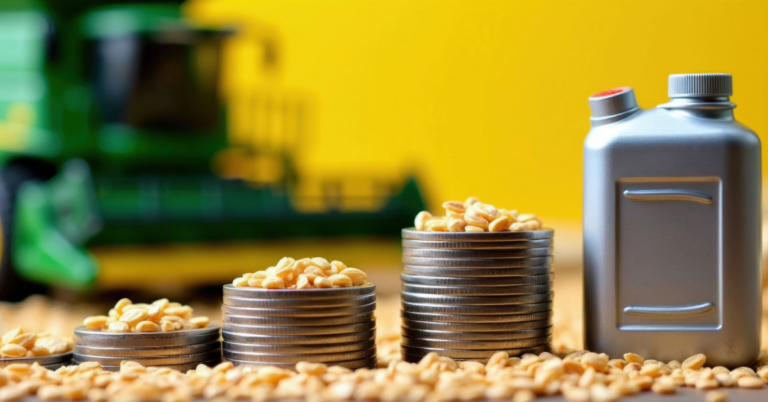
Energy affects everything we do, especially as corn farmers. Fertilizer, fuel, utilities, and our grain itself are all subject to this geopolitical mess.

As geopolitical pressures and global uncertainty continue to influence agriculture, the most successful operations will be those that rely on disciplined analysis—not emotion or guesswork.

Markets tell the truth. Markets are efficient—meaning that when they close, the aggregated knowledge, expectations, and risk assessments of the world are reflected in prices.

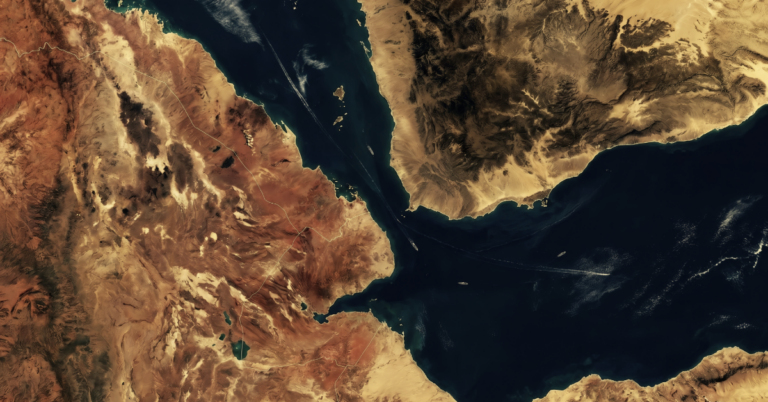
Geopolitical tension discussed in Geneva will not stay in Geneva. More broadly, sustained U.S.–Iran tension reinforces a global shift: food and energy are no longer treated as neutral market outcomes, but as strategic assets. That pulls agriculture further into the realm of industrial policy, trade controls, and geopolitical signaling.

This year’s Munich Security Conference gathering confirmed that agriculture is no longer peripheral to global strategy. It is increasingly central to it.