And China’s Role on Both Sides of the Ledger
This week, we will break from the “gloom and doom” and talk about how commodity price and retail price sometimes disassociate.
Quick Take
- Nitrogen (urea, UAN, anhydrous) has fallen for several straight weeks, unwinding the spring spike — real relief, but still above year-ago levels.
- Phosphate (DAP, MAP) has stayed firm because China’s export restrictions, removing an estimated 7-9 million metric tons from global trade, are set to expire this month.
- If China lets the restriction lapse, phosphate could soften into fall; if extended, it stays the stubborn line item on input budgets.
- On the revenue side, China’s soybean purchase commitments (25 million metric tons/year through 2028) are real but running well behind pace, even as tariff cuts move forward.
- Bottom line: China is a swing factor on both sides of the farm ledger right now — input costs via phosphate policy, revenue via soybean purchase pace.
Fertilizer prices have been falling this summer even as oil markets stayed jumpy on Hormuz and Bab al-Mandab risk — a paradox worth unpacking for anyone penciling out 2027 input budgets.
Nitrogen Led the Retreat, But Relief Is Relative
Urea, UAN, and anhydrous ammonia have posted a multi-week slide through July, unwinding the spring’s logistics-driven spike. That’s genuine relief for anyone who held off on fall purchases — but nearly every nutrient remains well above year-ago prices. Growers are paying less than May, still more than summer 2025.
Phosphate Didn’t Get the Memo — And China Is Why
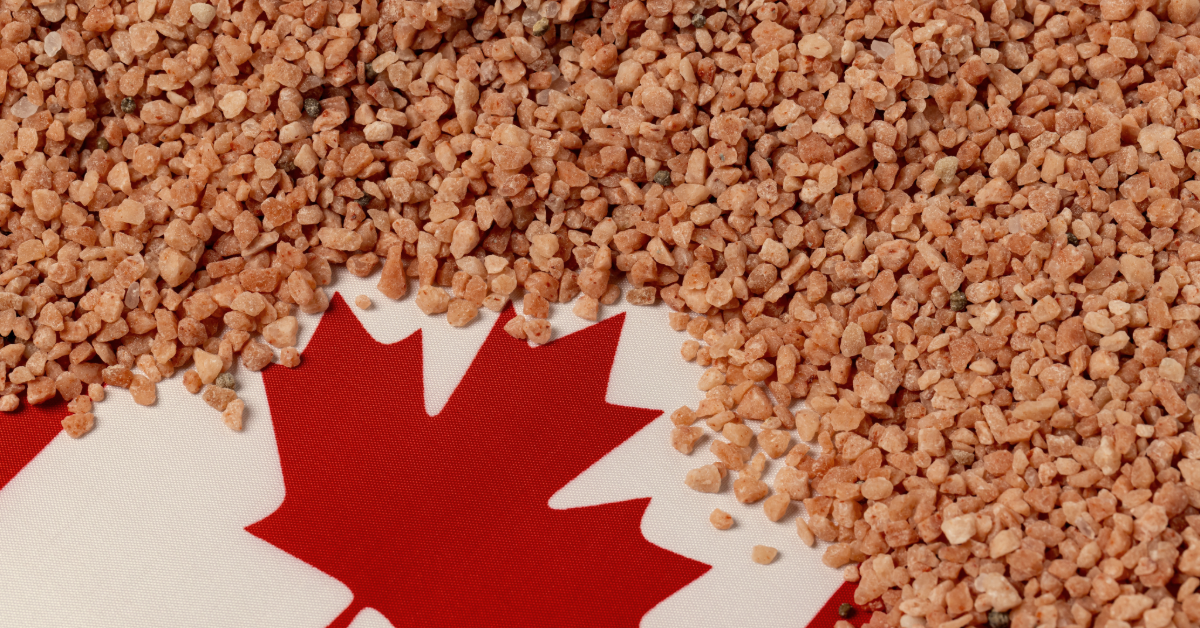
DAP and MAP have stayed comparatively firm, in some readings even ticking higher through late July. The reason is specific: China, the world’s largest phosphate exporter, has had export restrictions in place removing an estimated 7-9 million metric tons from global trade, running through August 2026. That’s this month. US buyers have been sourcing the gap from Morocco and Saudi Arabia at a premium, a substitution cost that shows up quietly in landed price.
Two things converge in August: if Beijing lets the restriction lapse as planned, some analysts see phosphate softening 8-15% off spring peaks. If extended, it stays elevated. Meanwhile the nitrogen relief has its own shelf life — it’s a spike unwinding, not a structural reset.
China Is Also Sitting on the Demand Side
The same country shaping input costs is also the wildcard on revenue:
- Soybean purchases lag the headline commitments. Following the Trump-Xi summit, the US side points to Chinese commitments of 25 million metric tons of soybeans annually through 2028, plus $17 billion in broader ag purchases. Beijing hasn’t confirmed those figures, and actual forward bookings for the new marketing year have reportedly totaled only a few hundred thousand tons against that target.
- Tariff reductions are in motion, not finished. China’s Ministry of Commerce agreed in principle in early July to include agriculture in a reciprocal tariff-reduction framework, with confirmation Beijing will drop a 10% tariff on US ag goods, including soybeans.
- Flow data is improving, incrementally. Private exporters have announced a string of large soybean sales to China in recent weeks — a real change from 2025’s purchase freeze, though far from a floodgate.
- Price still decides the pace. US beans still carry a higher import tariff into China than South American supply, which is part of why purchases lag the political commitments.
The Bigger Picture
China is currently a swing factor on both sides of the farm income statement — a supplier whose export policy affects phosphate costs, a buyer whose purchase pace affects soybean revenue. The phosphate restriction has a stated expiration this month; the soybean commitments run through 2028 but are being tested in real time by tariffs and Beijing’s incentives. A useful reminder that not every input or revenue pressure runs through a shipping chokepoint — sometimes it’s a licensing office or purchasing desk in Beijing, and the dates to watch are policy deadlines, not tanker routes.
This newsletter may reference or quote publicly available information believed to be reliable. Any third-party content is used under principles of fair use for purposes of commentary, education, analysis, and criticism. All trademarks, service marks, and copyrights remain the property of their respective owners. No infringement is intended. This publication is provided for informational and educational purposes only and is not intended as investment advice or a solicitation to buy or sell any commodity, security, futures contract, option, or other financial instrument. Opinions expressed are those of the author as of the date of publication and are subject to change without notice. Past performance is not indicative of future results. Trading futures, options, and derivatives involves substantial risk and is not suitable for all investors. This newsletter is not for sale, redistribution, or republication, in whole or in part, without the express written consent of the author.