Quick Take
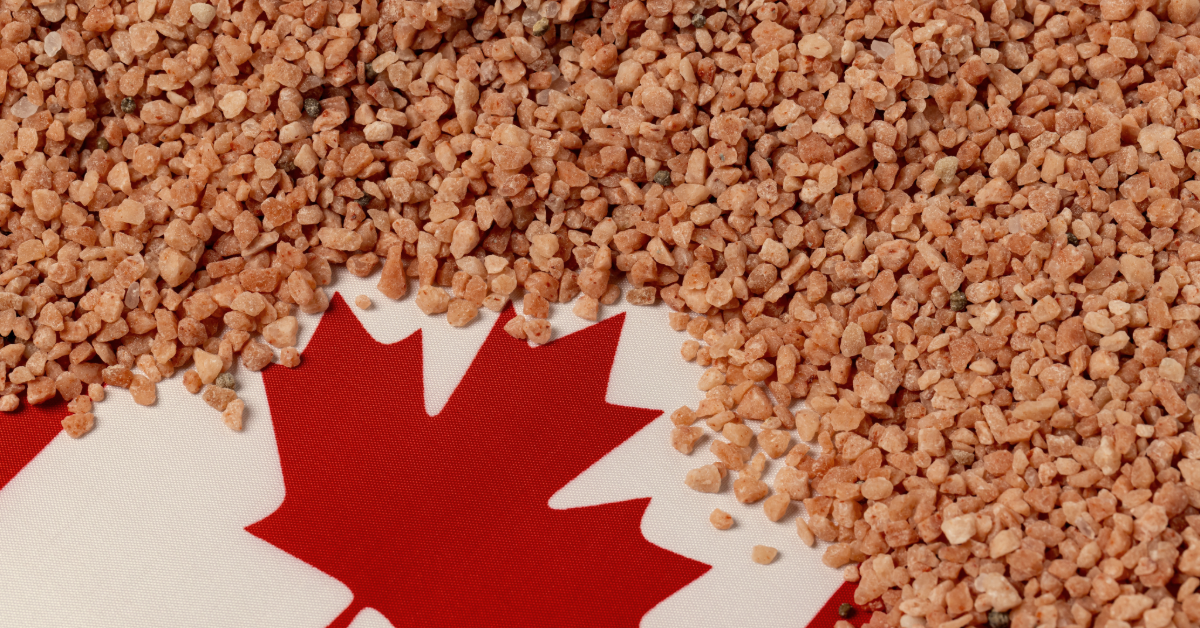
- Potash is exempt from the new 50% Section 338 tariffs. Canada supplies ~90% of US net potash imports — the input that matters most for corn-belt fertilizer budgets wasn’t touched.
- Energy, fish, and critical minerals are also carved out; diesel and propane costs are unaffected.
- Canada’s Sept. 8 retaliation does hit US-made ag equipment sold into Canada — real, but a Deere/Case IH/AGCO export-side issue, not a cost increase on iron already on Midwest lots.
- No exposure to corn, soybean, or livestock trade in either tariff list.
- Bottom line for the corn belt: fertilizer budget unchanged, new equipment prices unchanged, dealer export sales modestly pressured.
Talks collapsed. Carney recalled his negotiators. Section 338 duties of 50% landed on roughly $20-27.6 billion of Canadian goods August 22. Canada answers dollar-for-dollar September 8. For a Midwest operation penciling out fall fertilizer applications and next year’s equipment trade, the two line items that matter — fertilizer and iron — come through largely unscathed.
Fertilizer: The Input That Didn’t Get Touched
Potash, energy, fish, and critical minerals are explicitly excluded from all three Section 338 proclamations. That’s the whole ballgame for a corn-soybean rotation. Canada is the dominant supplier of US potash — roughly 90% of net imports — and it’s sitting outside the tariff entirely. Nitrogen and phosphate costs, where the real pressure has been building all year (China’s export restrictions, Hormuz-linked shipping risk), are untouched by this dispute in either direction. If you were bracing for a potash spike out of this trade fight, stand down.
Equipment: The One Place This Actually Bites — And It’s Not Where Farmers Feel It First
Canada’s retaliation list includes agricultural equipment. That’s a real cost to US manufacturers and dealers exporting combines, planters, and implements north of the border — worth watching if you’re financing a dealership with meaningful Canadian sales. But it doesn’t raise the price of equipment already sitting on a Midwest lot, and it doesn’t touch the used-equipment market where most fall trade activity happens. The pain, if any, shows up on manufacturer export revenue and dealer floor plans tied to Canadian sales channels, not on the sticker price a Nebraska or Iowa producer sees this fall.
What’s Absent Matters More Than What’s in the Headlines
Corn, soybeans, wheat, cattle, and hogs are outside both tariff lists. This isn’t 2018 soybean-tariff math — no crop, no export market takes a direct hit. The Ag Coalition for USMCA is pushing to exempt ag products from Section 338 altogether, which only confirms how narrow the current ag exposure already is.
For the Fall Planning Conversation
- Don’t adjust fertilizer budgets on account of this dispute — potash supply and pricing are unaffected.
- Equipment sticker prices on US lots aren’t moving because of this; the equipment story here is a dealer-export issue, not a farm-gate one.
- Keep watching Hormuz and China phosphate policy for the fertilizer risk that’s actually live this fall.
The author is a licensed commodity broker. Nothing in this post constitutes trading advice, a recommendation to buy or sell any futures, options, or physical commodity, or an offer of brokerage services. Views are the author’s own and do not reflect the position of any firm, exchange, or regulatory body. Past commentary on price direction is not indicative of future results.
This newsletter may reference or quote publicly available information believed to be reliable. Any third-party content is used under principles of fair use for purposes of commentary, education, analysis, and criticism. All trademarks, service marks, and copyrights remain the property of their respective owners. No infringement is intended. This publication is provided for informational and educational purposes only and is not intended as investment advice or a solicitation to buy or sell any commodity, security, futures contract, option, or other financial instrument. Opinions expressed are those of the author as of the date of publication and are subject to change without notice. Past performance is not indicative of future results. Trading futures, options, and derivatives involves substantial risk and is not suitable for all investors. This newsletter is not for sale, redistribution, or republication, in whole or in part, without the express written consent of the author.