The concept of money is one of the most abstract ideas my students grapple with during our introductory economics courses. Many think banks have endless piles of cash and coin in a vault; they don’t realize that the vast majority of the “money” on earth is nothing but an electronic record. In a very real sense, a dollar is just a claim on a unit of energy.
The US Energy Advantage
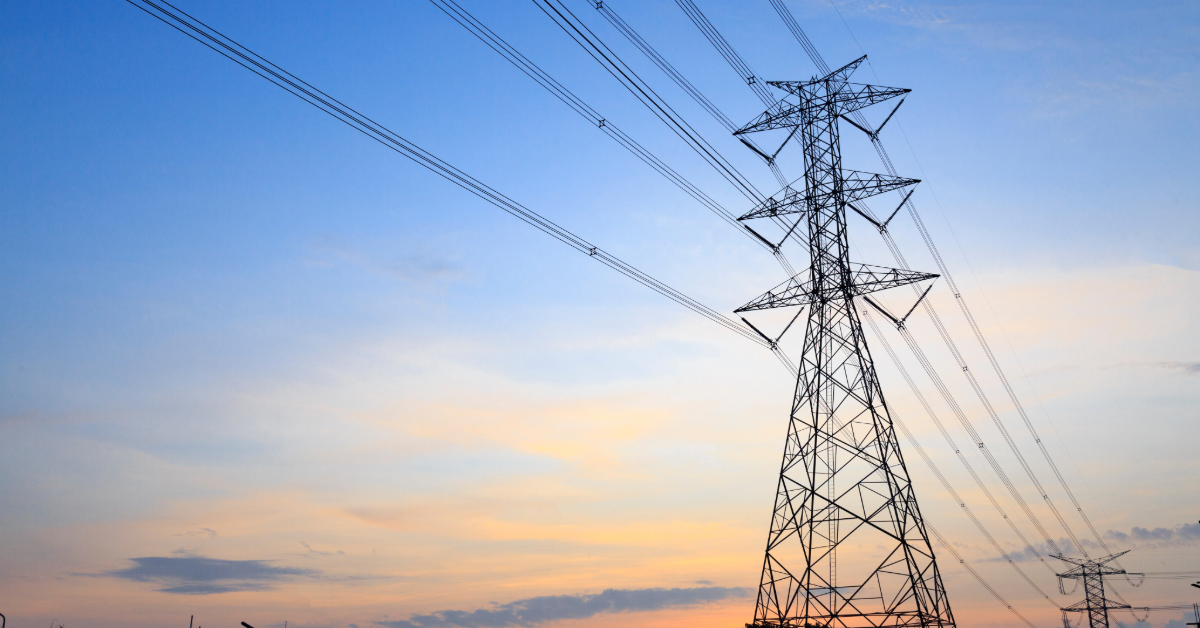
Energy’s importance is hard to overstate. We in the US are blessed to be the most abundant energy producer on earth. I took a group of students to France in May, and one of the most American reactions to a European summer is: “Wait, there’s no air conditioning?”
Nope. There isn’t. The European Union has more than 100 million more people than the US, yet it doesn’t have the proven energy reserves — oil, gas, and otherwise — that the US possesses. It doesn’t have regions such as the Bakken (ND), the Permian (TX/NM), or the Marcellus (PA/WV), allowing the US to sit on some of the richest shale oil and gas reserves in the world. Europe has simply leaned on its historically cooler climate, so yes, AC remains uncommon there.
When Energy Scarcity Turns Deadly
This came to a head a few weeks ago, when a nearly unprecedented heatwave triggered a drowning crisis across the continent. In Europe, people often head outside to beat the heat, to a lake or river. Heatwave plus no AC equals a shocking “first world” disaster: dozens of drowning deaths in France alone and well over a thousand excess deaths across Europe. All of this is a direct downstream result of not having ample energy infrastructure.
Why Energy Will Define Geopolitical Winners and Losers
Energy is needed to produce our food and every other consumer product or service on the market. The AI boom, which requires vast amounts of energy, will only sharpen the geopolitical winners and losers. Some countries have the reserves and infrastructure to win; others face a massive structural problem over the next few decades. America is poised to win, and if energy becomes the defining commodity of the 21st century, our geopolitical advantage becomes even more pronounced. Countries that can feed themselves and fuel themselves are far better positioned in a world facing the deglobalization of supply chains.
This is why farming and agribusiness must keep a close eye on our energy markets and energy policy, not just for its effect on grain prices, but for what it says about our long-term competitive position.
The abundant natural resource advantage of the US — more so, I’d argue, than our military strength, our technology, or even our economy — is our most sustainable and incomparable competitive advantage.
What This Means for Your Operation
For US farmers: you sit at the intersection of two industries the rest of the world is scrambling to secure — food and fuel. That’s leverage, but only if you use it. Talk to your lender or grain marketer about how energy costs (diesel, fertilizer, propane) are baked into your 2026–27 budget. Follow farm energy policy as closely as you follow the USDA crop reports. And if you haven’t run a fertilizer or fuel hedge past your risk manager this year, now’s the time.
This newsletter may reference or quote publicly available information believed to be reliable. Any third-party content is used under principles of fair use for purposes of commentary, education, analysis, and criticism. All trademarks, service marks, and copyrights remain the property of their respective owners. No infringement is intended. This publication is provided for informational and educational purposes only and is not intended as investment advice or a solicitation to buy or sell any commodity, security, futures contract, option, or other financial instrument. Opinions expressed are those of the author as of the date of publication and are subject to change without notice. Past performance is not indicative of future results. Trading futures, options, and derivatives involves substantial risk and is not suitable for all investors. This newsletter is not for sale, redistribution, or republication, in whole or in part, without the express written consent of the author.