Understanding the Genius Act, Stablecoins, and the Future of Ag Finance
Just last week, I had the opportunity to speak at a customer event in eastern Iowa. One topic stood out in the questions I received: cryptocurrency and its implications for agriculture. It’s a growing area of interest, and with the recent passage of the Genius Act—a landmark move toward regulating digital currencies—it’s worth taking a closer look.
Let’s break it down.
Cryptocurrency 101: Bitcoin vs. Stablecoins
Not all crypto is created equal. While Bitcoin is the most recognizable name, it behaves more like gold—its value is speculative, based on mutual agreement rather than any intrinsic asset backing. It’s often seen as a hedge against government overspending and currency devaluation.
Stablecoins, on the other hand, are designed for stability. They’re backed by marketable assets—such as U.S. government bonds—and typically maintain a consistent value. For example, Tether, the largest stablecoin, stays close to the $1 mark, making it a useful tool for real-world transactions.
Why Stablecoins Matter in Agriculture
The Genius Act primarily targets stablecoins, and this move has big implications for our sector. I see two major ways this could unfold:
1. Tokenization of Assets
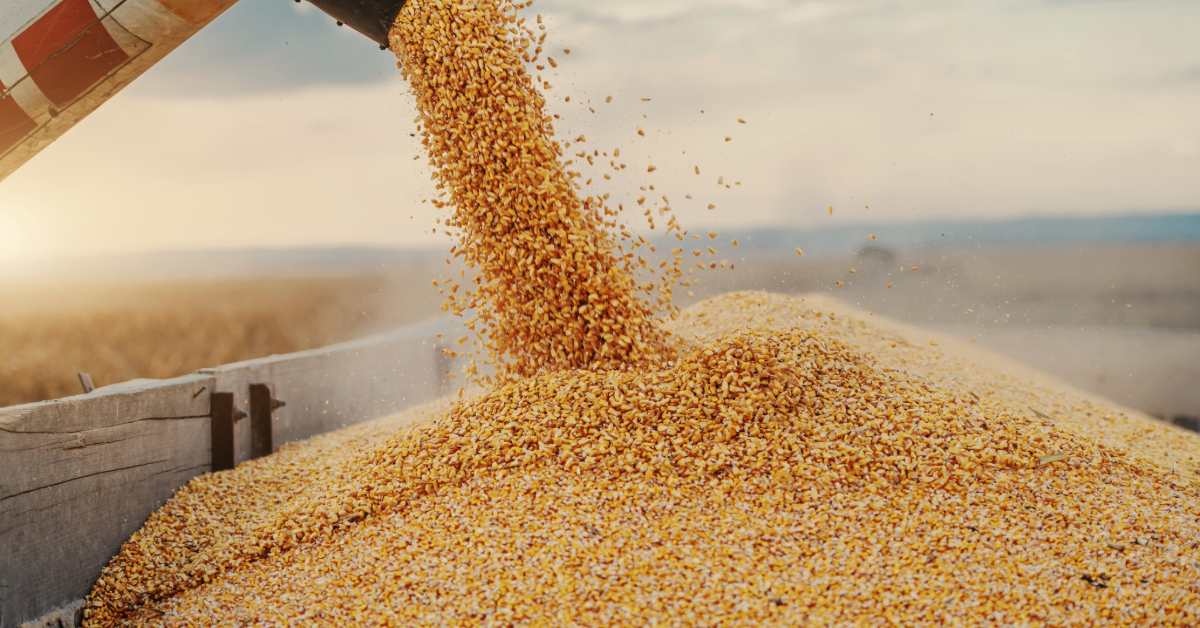
Farmers may soon have the ability to digitally tokenize grain or other commodities stored in bins. This could unlock entirely new channels for liquidity, pricing, and risk management. Imagine converting grain into a digital token and selling it to a buyer anywhere in the world—quickly, securely, and without traditional financial friction.
2. New Pathways to Capital
Agriculture has always been capital-intensive. Whether you’re investing in seed, feed, or breeding stock, the upfront costs are significant. Stablecoin lending could open the door for not just banks—but a wide range of financial institutions and investors—to inject capital into ag businesses. This could especially benefit smaller operations or those in need of innovative financing models.
Financial Institutions Are Paying Attention
Major banks like JPMorgan, Citigroup, and Bank of America are already preparing to issue their own stablecoins. Meanwhile, the rise of the private credit market means new players might enter the ag finance space, bringing with them targeted and flexible lending options.
The Takeaway
While we’re still early in the adoption curve, it’s clear that cryptocurrency—and particularly stablecoins—are poised to reshape parts of the ag economy. From improving price discovery to revolutionizing access to capital, the potential impact is real.
As someone told me recently:
“Only the aviation industry has adopted technology faster than agriculture over the past 100 years.”
That says a lot. Change is coming, and we’ll navigate it together. Thanks for following along—and let’s keep the conversation going.
👉 Visit my homepage to learn more about us
👉 Follow me on LinkedIn for more insights and conversations