Risk Management for Agribusiness
As geopolitical pressures and global uncertainty continue to influence agriculture, the most successful operations will be those that rely on disciplined analysis—not emotion or guesswork.

As geopolitical pressures and global uncertainty continue to influence agriculture, the most successful operations will be those that rely on disciplined analysis—not emotion or guesswork.

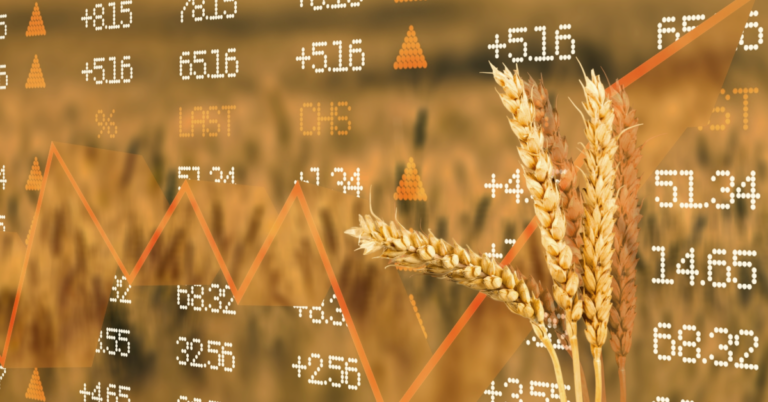
Markets tell the truth. Markets are efficient—meaning that when they close, the aggregated knowledge, expectations, and risk assessments of the world are reflected in prices.

Geopolitical tension discussed in Geneva will not stay in Geneva. More broadly, sustained U.S.–Iran tension reinforces a global shift: food and energy are no longer treated as neutral market outcomes, but as strategic assets. That pulls agriculture further into the realm of industrial policy, trade controls, and geopolitical signaling.

This year’s Munich Security Conference gathering confirmed that agriculture is no longer peripheral to global strategy. It is increasingly central to it.

Our philosophy is simple: better decisions don’t come from perfect conditions—they come from better information. Our goal is to give you clarity around your numbers so you can lead your operation forward with confidence.

We relaunched our agribusiness consulting business for one simple reason:
to help farming operations and agribusinesses improve cash flow by gaining deeper insight into their own financial information because better decisions start with better numbers.

When the U.S. administration recently announced it had taken a 10% stake in Intel, most headlines focused on the technology sector. But the real story goes deeper. This bold move highlights the return of industrial policy—a strategy that doesn’t just impact semiconductors but has far-reaching implications for U.S. agriculture.

The war in Ukraine has been a humanitarian tragedy—but it has also triggered profound disruptions in global agriculture. Those disruptions are reverberating all the way to rural America, reshaping how U.S. farmers think about markets, risk, and access to capital.